Super Pollutants is one of the first frontier areas for exploration launched by the MIT Climate Project, with a Summer Seminar Series taking place through June and July.
Problem and Impact
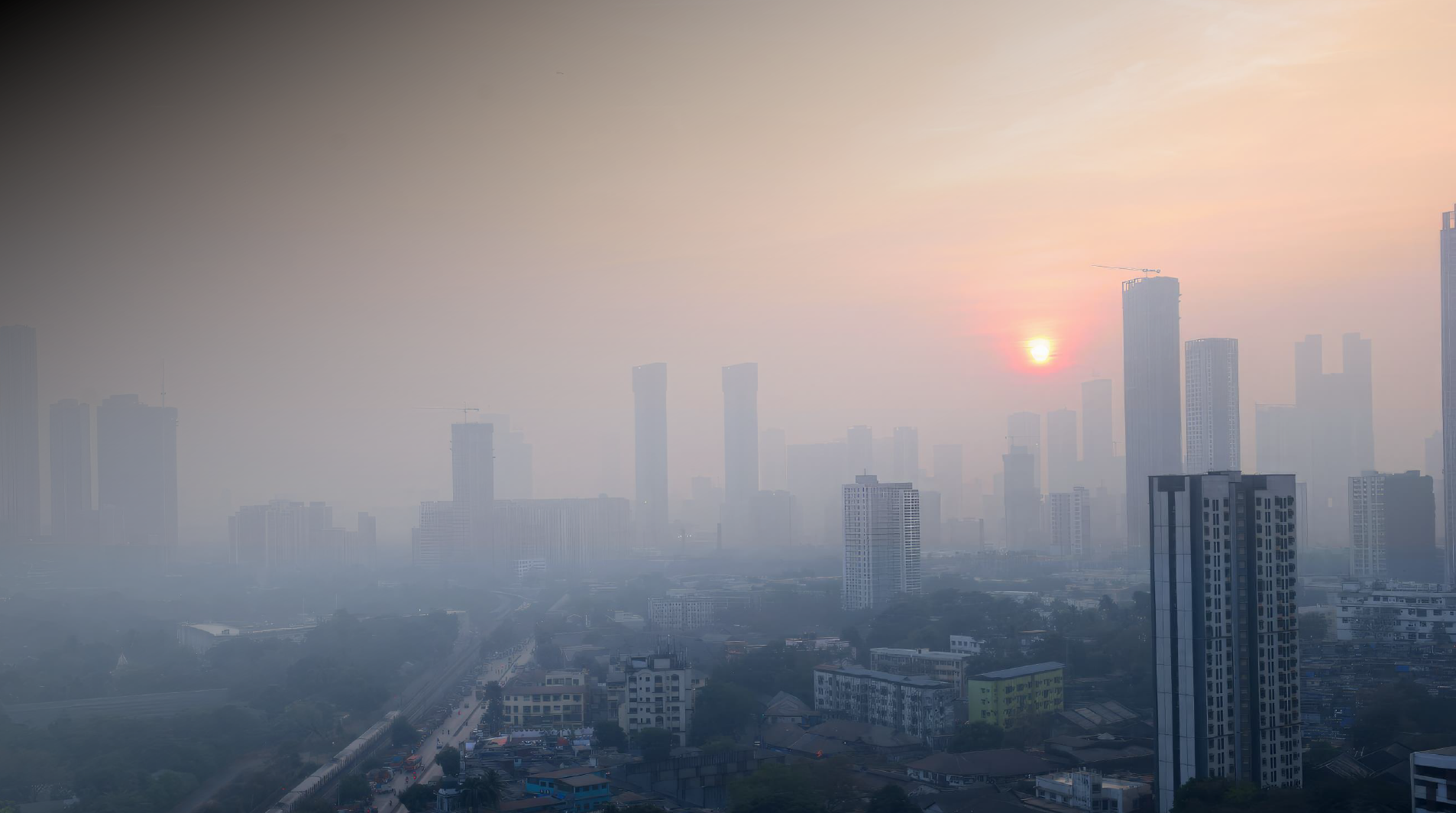
“Super pollutants” are a collection of greenhouse gases other than CO2 that together account for almost half of all anthropogenic warming to date. They include methane (CH4), nitrous oxide (N2O), ozone (O3), and fluorinated gases (F-gases). Pound for pound these gases are substantially stronger greenhouse warmers than CO2, so their abatement represents an important component of climate mitigation. Most have shorter atmospheric lifetimes than CO2, which means that their abatement can also act as a climate “emergency brake” with the potential to slow the rate of warming within the next decade. Furthermore, many of them are also toxic air pollutants, with negative impacts on human health and crop productivity. Therefore, decreasing super pollutants represents a “win-win” for people and the planet.
Vision
Mitigation of super pollutants – whether by decreasing their sources or removing them from the atmosphere – represents an important pathway to slow global warming and remain aligned with climate targets as our society decarbonizes. However, such mitigation poses considerable challenges. Many super pollutant sources can be highly dispersed, making them difficult to control, or even to detect; economic or political incentives for reducing their emissions tend to be limited; and atmospheric removal is hampered by very low atmospheric concentrations. As a result, a large fraction of super pollutants cannot be abated using existing technical approaches, and an even larger fraction cannot be removed in an economically feasible way. Our vision therefore is to develop novel approaches to super pollutant mitigation, with a particular focus on “hard-to-abate” pollutants and sources. This requires integrated research spanning fundamental science, engineering, social science, and implementation, aimed at designing new solutions that are both feasible and effective, maximizing benefits to climate, human health, ecosystems, and society as a whole.
Role for MIT
For this vision to achieve impact, the work cannot remain in silos. MIT will bring together campus researchers across multiple fields with external stakeholders and deployment partners to co-create solutions with breakthrough potential. If we start now and make rapid progress, we can not only slow warming in the short term but set the stage for a fundamentally different trajectory for global emissions in the decades ahead.
Critical areas of research include climate science, microbiology, materials science, atmospheric chemistry, novel sensing techniques, policy, economics, and community engagement – all particular areas of strength at MIT. This Frontier will bring together MIT researchers in all these areas, as well as external stakeholders and scaling partners, to co-design and develop novel approaches to super pollutant mitigation.